
Young Ceramics Networks
YCN representative - Slovakia
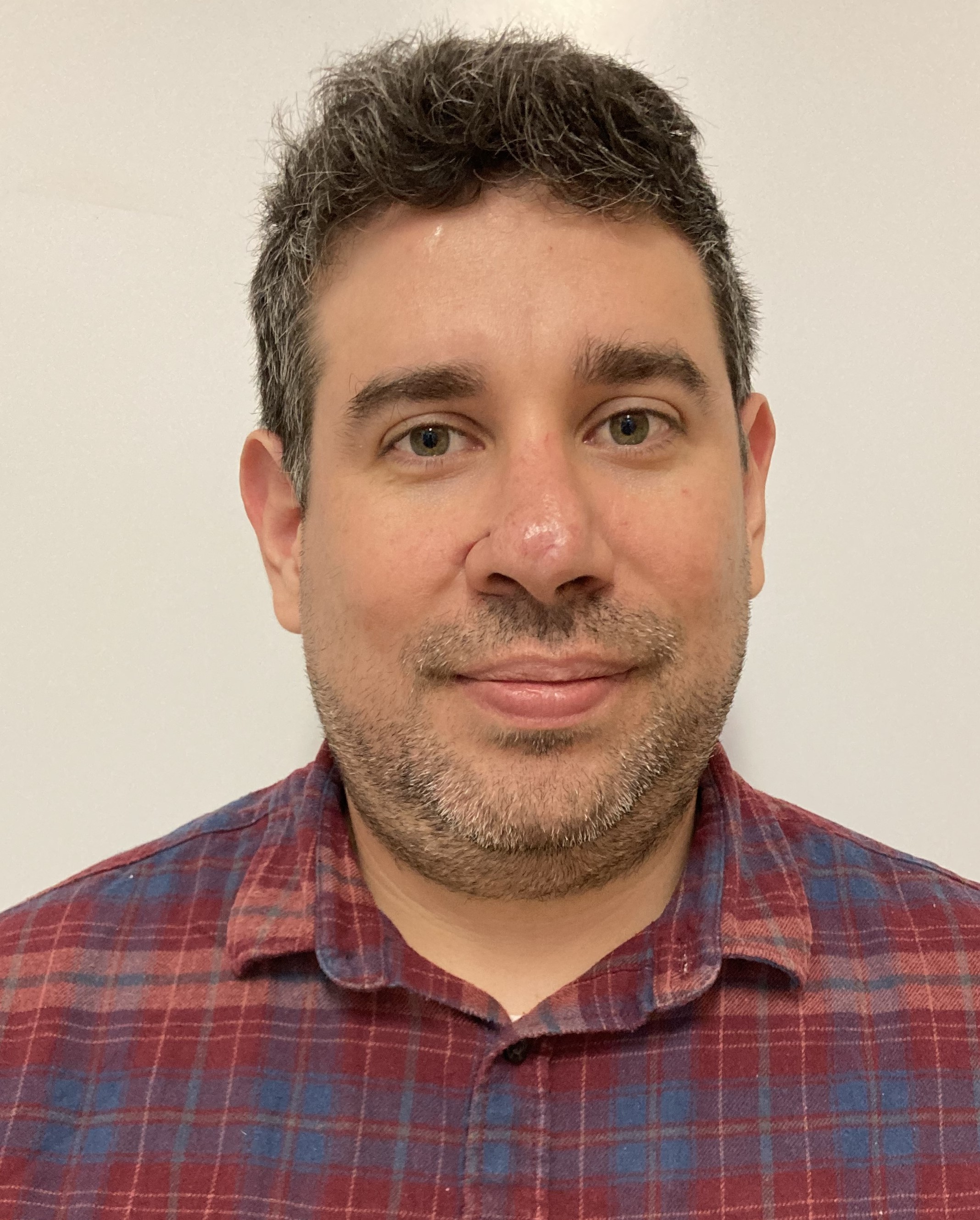
Guido De La Torre
YCN representative for Slovakia
guido.olvera@savba.sk
My name is Guido de la Torre, a PhD student at the Slovak Academy of Sciences in Bratislava, affiliated with the Institute of Inorganic Chemistry, Department of Ceramics. I am currently in the third year of the PhD program, focusing on the development of bioceramics, specifically Silicon Nitride, using Spark Plasma Sintering. I am under the supervision of Mgr. Monika Tatarkova, PhD.
Bioceramics have garnered increased interest due to the aging population, and the market is becoming more profitable. Through characterization, we observed that research in this field is progressing, with advancements each year, employing various techniques such as 3D printing.
Before embarking on my PhD journey, I studied Chemical Engineering at the University of Guayaquil (Ecuador) for six years, including one year of internship. The engineering school emphasized the application of science for industry, not focusing on fundamental science. In this context, I transitioned to material science, particularly in organic compounds like cellulose and collagen. My thesis involved using collagen from fish bones and skin to create an edible layer, enhancing the quality of raw beef.
Following my time in an aluminum factory in the anodizing section, where I gained more exposure to materials, I decided to pursue a Master's in Chemical Engineering. I received a scholarship to study at Budapest University of Technology and Economics in Hungary. Despite the broad scope of the master's program, my thesis centered around control systems and unit operations.
Upon returning to Ecuador, I worked at the Universidad de las Fuerzas Armadas in the Petrochemistry area. Despite the irony of the area, Dr. Roman Rodriguez Maecker, being more involved in Green Chemistry, I engaged in projects related to utilizing waste to produce membranes. This experience motivated me to pursue more in life.
With the goal of obtaining a Ph.D., I began searching for positions that merged biomedicine and materials. I found my current topic, and I am delighted to be part of this project. Thanks to this decision, I have met incredible colleagues, such as Dr. Gianmarco Taveri, from whom I have learned techniques like the Alkali Activation method, attempting to develop a cost-effective method for obtaining bulk or scaffold.
During my Ph.D. and ECRES conferences, I have had the privilege of meeting amazing people, particularly in workshops organized in Madrid 2022, conferences in Krakow 2022, and Lyon 2023. I view these opportunities as a chance to expand my network, seek collaborations, and become involved in esteemed groups like the YCN Committee and Representatives.
Last news
YCN Newsletter 32 - Expert opinion - Maria Paula da Silva Seabra - CICECO, University of Aveiro
Turning Waste into Raw Materials for the Ceramic Industry.
Waste materials were once seen as a burden but are increasingly being redefined as valuable resources for ceramic production. Through advances in materials engineering, waste can be used as secondary raw materials in the ceramic industry. This shift enables more circular and resource-efficient ceramic manufacturing systems.
YCN Newsletter 32 - Industry in Spot - Dr. Daniel Bomze - Lithoz
Implementing 3D-Printed Technical Ceramics in Regulated Medical Fields.
Bringing a new manufacturing technology into medicine requires far more than producing an impressive component. In highly regulated fields, innovation must be translated into repeatable processes, documented quality, reliable materials and, ultimately, evidence of clinical value. Lithoz has spent more than a decade building this bridge for Lithography-based Ceramic Manufacturing (LCM).
Information
Contact us for any information: youngceramists@ecers.org - We will respond to your inquiry as soon as possible!




ECerS office
Av. Gouverneur Cornez , 4
7000 Mons
Belgium